Enter city, zip, neighborhood, address…
Oklahoma City covers 606.48 square miles.
That number does more work than almost anything else you can know about this place before you start looking at houses. Setting aside the handful of cities that merged with their counties, that is the second largest land area of any city in the United States. Only Houston is bigger. Among state capitals, Oklahoma City is second in land area, behind Juneau.
Most people hear that and think of it as trivia. It is not trivia. It is the reason two houses can both have an Oklahoma City address, sit a long drive apart, and have almost nothing else in common. Different school district. Different county. Different taxes. Different commute. Different everything that actually determines whether you are happy in the house three years from now.
Four counties, one city
The city limits run into Oklahoma County, Canadian County, Cleveland County, and Pottawatomie County. The city annexed aggressively as it grew, and it never gave any of it back.
What that means for you is that the county matters and it is not obvious from the address. County determines where your deed is recorded, which assessor sets your value, and it is one of the pieces that shapes what you pay every year. Two houses on opposite ends of the same city can sit in different counties and neither listing will make that clear.
Some towns inside the metro stayed independent through all of it. They have their own city halls, their own police, their own everything.
Edmond. Yukon. Mustang. Moore. Midwest City. Bethany. Nichols Hills. Norman. Piedmont.
Those are separate cities with separate rules, and if you are looking across the metro you are going to end up comparing houses in several of them at once.
We go where the work is
Almost everybody I work with who is moving to Oklahoma City is moving here for a job, and in a city this size the job is what narrows the search before anything else does. A house that sits an easy drive from one employer can sit an unreasonable drive from another without either house leaving the city limits, because six hundred and six square miles is wide enough to hold both.
Tinker Air Force Base is the sharpest version of this, and it is not in Oklahoma City. It sits in Midwest City, next door. A household relocating for Tinker is not really shopping Oklahoma City at all, they are shopping a commute shed that crosses several city lines, and their mailing address, the city they tell people they live in, and the drive they make every morning may never line up neatly. That is the same thing this page has been describing from the top, pointed at a paycheck instead of a property line.
Two more are worth knowing before you draw a radius on a map. Oklahoma City is the state capital, and the State of Oklahoma employs people here in a way state government does not in most metros this size. Those jobs report to fixed addresses rather than spreading out across the metro, so they tend to pull a search inward. Integris Health runs facilities at more than one point in the metro, which means the employer name on the badge tells you less about where to look than the specific campus does.
The schools, and this is the part that costs people money
School district boundaries in this city do not follow city limits. They never have.
You can buy a house with an Oklahoma City mailing address and be zoned to Putnam City, Edmond, Moore, Deer Creek, Western Heights, Millwood, or Crooked Oak. Those are not small differences. Families move across the metro specifically to get into one of them.
The mistake I watch people make is assuming the address tells them the district. It does not. A listing can say Oklahoma City and the house can feed into a district that has nothing to do with the city system. Sometimes the boundary runs down the middle of a street, and the houses on one side go one direction and the houses on the other side go another.
If schools matter for your family, that is a question to answer at the specific address, before you fall in love with the house. Not after.
Why the data disagrees with itself
If you have been looking at market numbers online, you have probably noticed they do not match each other.
That is because different sources draw the boundary differently. Some report on the city limits, which include all 606 square miles and four counties. Some report on the metro, which is larger still and covers surrounding counties and the cities inside them. Some report by ZIP code, and ZIP codes ignore city limits entirely.
None of them are lying. They are answering different questions. The number that matters for a house you are considering is not the citywide median. It is what comparable houses in that specific area have sold for recently, and that requires pulling actual sales rather than reading a headline.
MAPS
The reason downtown looks different than it did twenty years ago is a program called MAPS. Voters approved a temporary penny sales tax to pay for public projects in cash, with no debt, and then approved it again, and again.
The first round, back in 1993, built a downtown ballpark and a central library, renovated the civic center and the convention center, and put the canal through Bricktown. Later rounds kept going and added the things people point at now when they talk about what changed down there.
For someone moving here, the part worth knowing is that it changed what the center of the city is for. Downtown went from a place people left at five to a place people live. That pulled demand inward in a way that affects what things cost the closer you get to it.
What it means for looking at houses
Commute is usually where it starts. In a city this large, where you land inside it changes your drive far more than which suburb you would have picked instead. Two Oklahoma City addresses can be a short hop from your office or the better part of an hour, and nothing about either address tells you which. That makes it the first question worth answering rather than the last, because it quietly rules out entire sections of the city before you have looked at a single house.
After that it is schools, then county, then the specific neighborhood, and neighborhoods here change fast. A street can be built out in one decade and the next street over a generation later, with different construction, different foundations, different everything underneath.
There is no single Oklahoma City market. There is the market for a specific kind of house in a specific pocket of a very large city, and that is what you are actually shopping.
Oklahoma City Market Update, August 2026
The supply side is where this market actually moved. There were 1,943 homes for sale in August, up 37.4 percent from a year ago. New listings ran 839, up 24.3 percent. Months of supply reached 3.9, up 34.5 percent. Closed sales fell to 487, down 11.3 percent. More homes arriving, fewer of them selling.
Price did not follow. The median sale price was $250,000, up 2.5 percent from last August. Price per square foot came in at $153, up 1.3 percent. Sellers received 100 percent of list price on average, and median days on market went from 19 last August to 18 this year.
Those two paragraphs disagree with each other, and both are correct. Supply is building fast, and price and speed have not responded to it yet. Anyone who tells you Oklahoma City has turned into a buyer's market is reading the supply column and skipping the price column.
Now the part that matters more than any of it. That $250,000 median covers 606 square miles across four counties. It blends a downtown condo, a 1950s ranch, and a new build on the edge of the county into one number, and there is no house anywhere in this city that the number actually describes. It is useful for spotting a direction of travel. It is close to useless for pricing a specific address.
The figures below the city level are the ones that move a decision, and they are not on any portal. A neighborhood, a school boundary, or a single price band inside this city can run in a different direction from the citywide number in the same month.
Source: MLSOK MarketStats, Oklahoma City, single family homes, August 2026. Figures cross-checked against RPR. Citywide figures across a 606 square mile city spanning four counties. Your neighborhood is not the citywide number. Published September 21, 2026.
Days on the Market
Ascending
24
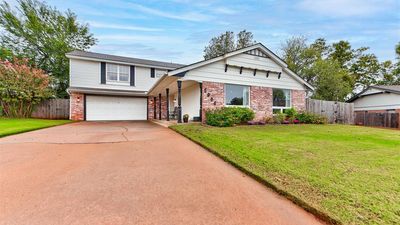
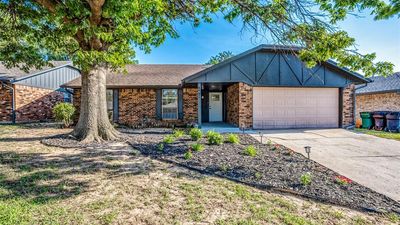
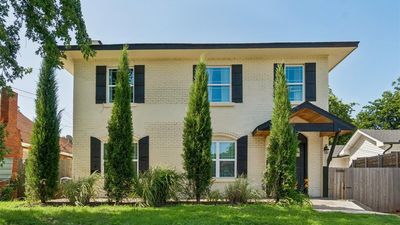
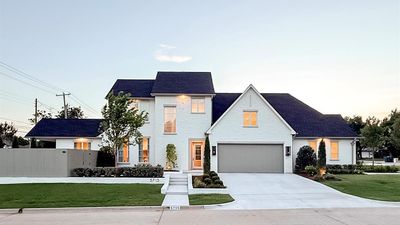
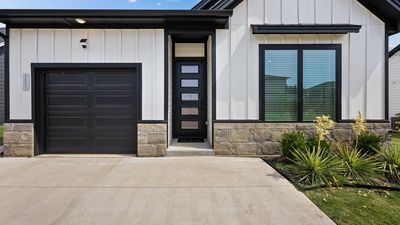
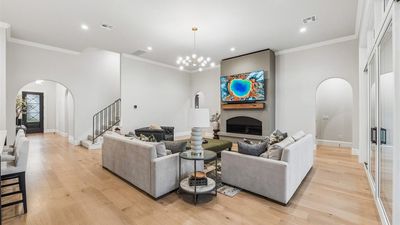
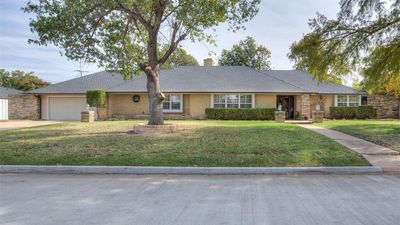
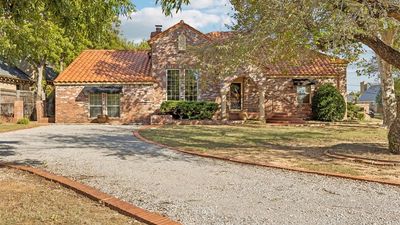
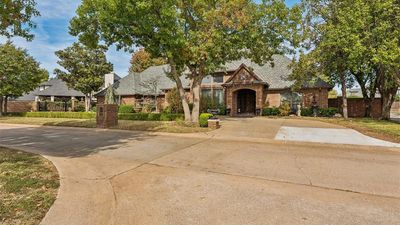
3 Beds
3 Baths
2,733 Sq ft
$319,000
MLS# 1255816
ACTIVE

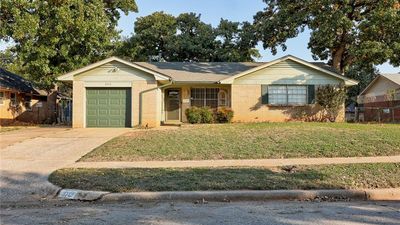
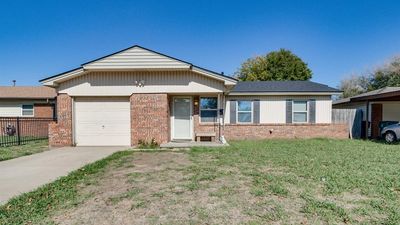
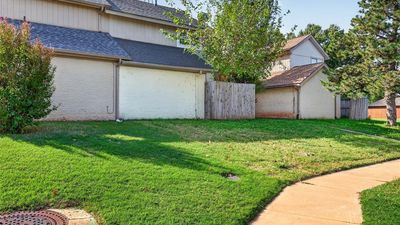
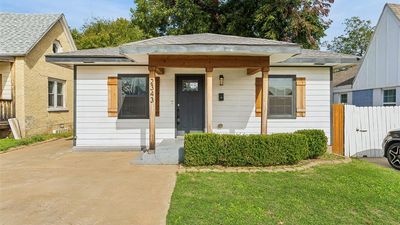
2 Beds
2 Baths
1,006 Sq ft
$100,000
MLS# 1256227
ACTIVE
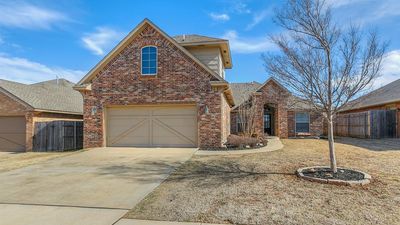
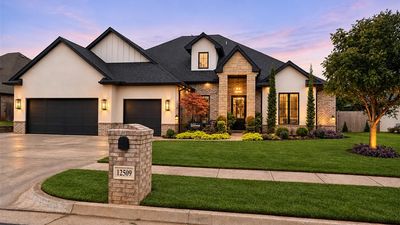
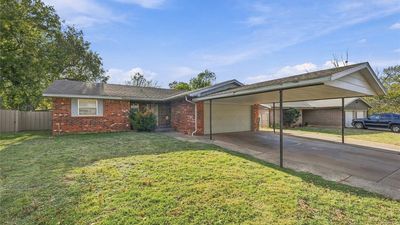
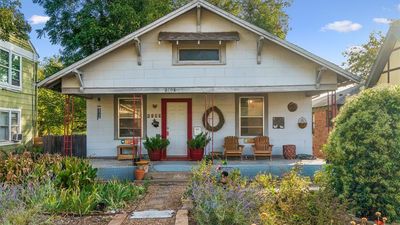
3 Beds
3 Baths
1,999 Sq ft
$339,000
MLS# 1256285
ACTIVE
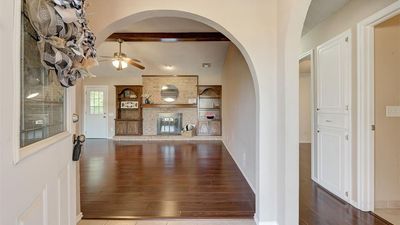
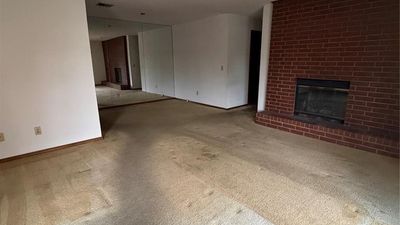
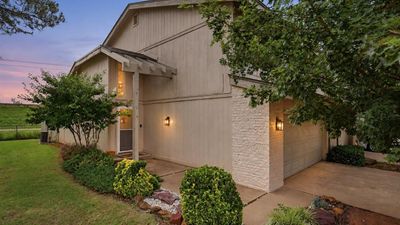
3 Beds
2 Baths
1,536 Sq ft
$225,000
MLS# 1256129
ACTIVE
2 Beds
3 Baths
1,548 Sq ft
$219,000
MLS# 1256236
ACTIVE
No results found
Please remove some of the selected filters.

© MLS GRID. All rights reserved.
Listings courtesy of Oklahoma City Metropolitan Association of REALTORS® as distributed by MLS GRID.
IDX information is provided exclusively for consumers' personal, noncommercial use, and may not be used for any purpose other than to identify prospective properties consumers may be interested in purchasing. The data is deemed reliable but is not guaranteed by MLS GRID. Use of MLS GRID data may be subject to an end-user license agreement prescribed by the applicable MLS, as amended from time to time.
Based on information submitted to the MLS GRID as of 2nd November, 2026 1:25 PM. All data is obtained from various sources and may not have been verified by broker or MLS GRID. Supplied Open House Information is subject to change without notice. All information should be independently reviewed and verified for accuracy. Properties may or may not be listed by the office/agent presenting the information. Updated: 2nd November, 2026 1:25 PM (UTC)